
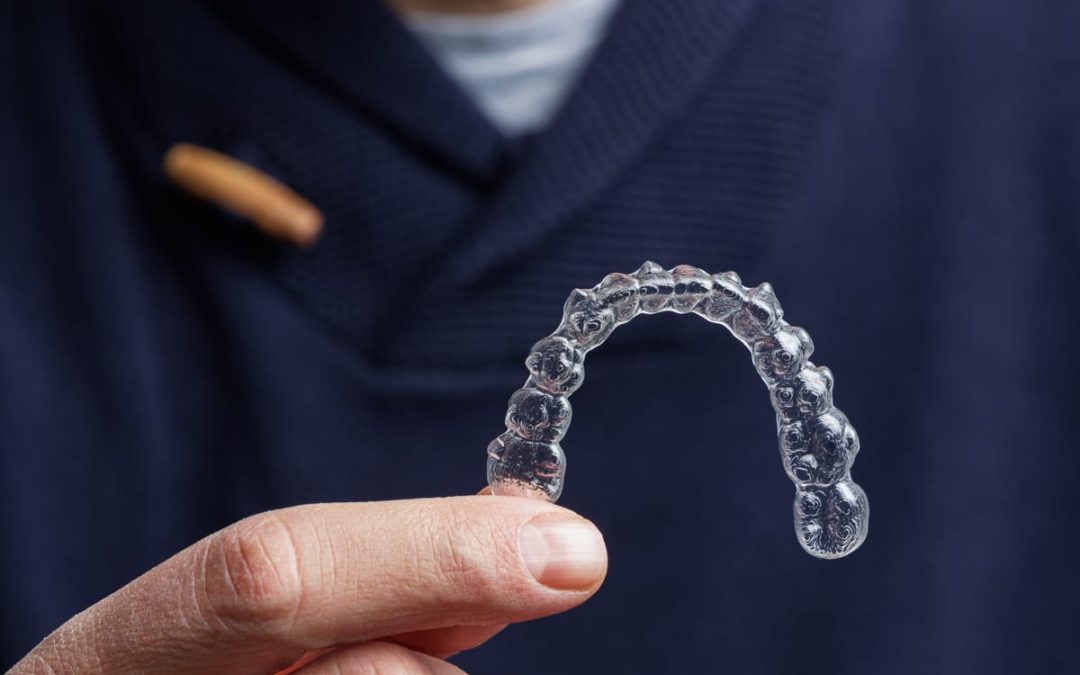
Choosing between Invisalign vs. braces is one of the most common questions we hear at Villago Family Dental. Patients in Casa Grande, AZ want straighter teeth — but they also want comfort, confidence, and a realistic treatment plan. Dr. Mark Wheeler helps adults and teens navigate this decision every day. Understanding your options makes the process far less overwhelming.
Invisalign vs. Braces: Understanding the Core Differences in Casa Grande
Traditional braces use metal brackets and wires bonded to your teeth. They apply steady pressure to move teeth into alignment over time. Invisalign, on the other hand, uses a series of custom clear plastic aligners. You swap out each aligner every one to two weeks as your teeth gradually shift.
Both systems effectively straighten teeth. However, they work differently and suit different lifestyles. The right choice depends on your specific dental needs, daily habits, and personal preferences. Dr. Wheeler will evaluate all of these factors during your consultation.
Braces are fixed — you cannot remove them. Invisalign aligners are removable, which changes how you eat, clean your teeth, and manage treatment. That flexibility is a major selling point for many adult patients in Casa Grande.
Comfort and Appearance: How Each Option Feels and Looks
Many adults choose Invisalign because the aligners are nearly invisible. Clear plastic trays sit snugly over your teeth without drawing attention. For working professionals or anyone who feels self-conscious about metal brackets, this is a significant advantage.
Traditional braces are more noticeable. Metal brackets and wires are visible when you smile or speak. Ceramic braces offer a tooth-colored alternative, but they still involve fixed hardware. Invisalign avoids that issue entirely with its discreet design.
Comfort is another important factor. Braces can cause soreness after each tightening appointment. Wires may poke or irritate cheek tissue. Invisalign aligners are smooth plastic with no sharp edges. Most patients report a milder adjustment period with Invisalign compared to traditional braces.
That said, new Invisalign trays can cause temporary pressure and mild discomfort. This feeling usually fades within a day or two. Both options require an adjustment period — but many patients find Invisalign’s process easier to manage.
Compliance, Maintenance, and Daily Life
Invisalign requires discipline. You must wear your aligners for 20 to 22 hours per day. Removing them too often slows progress and extends treatment time. If compliance is a concern, braces may actually be a more reliable option since they work around the clock without any effort from you.
Oral hygiene is much easier with Invisalign. You simply remove the trays to brush and floss normally. Braces make cleaning more complex — food gets trapped around brackets, and flossing requires special tools. Poor hygiene during braces treatment can lead to plaque buildup and tooth decay.
Eating restrictions also differ between the two options. With braces, you must avoid hard, sticky, or crunchy foods that could damage brackets or wires. With Invisalign, you remove the aligners before eating. This means you can enjoy all your favorite foods without restriction throughout treatment.
- Invisalign requires 20–22 hours of daily wear for best results
- Braces work continuously without patient compliance effort
- Cleaning around braces requires extra tools and time
- Invisalign patients brush and floss without removing hardware
- Food restrictions apply to braces — not to Invisalign
Treatment Scope and Cost: Which Option Handles Your Case?
Braces have a longer track record for treating complex dental issues. Severe crowding, significant bite problems, and major alignment corrections often respond better to traditional braces. Orthodontists have used braces for decades to manage a wide range of cases with predictable results.
Invisalign technology has advanced significantly in recent years. It now effectively treats many moderate and even complex cases. However, some situations — like certain bite corrections or tooth rotations — may still be better suited to traditional braces. Dr. Wheeler will assess your specific case to determine which system can achieve your goals.
Cost varies depending on the complexity of your treatment and the length of time required. Invisalign is often comparable in price to braces. Some cases cost more with Invisalign, while others are similar. During your consultation at Villago Family Dental, you will receive a clear breakdown of expected costs for your individual treatment plan.
Both options deliver real, lasting results when followed correctly. Think of the investment as long-term — straighter teeth improve oral health, confidence, and overall quality of life. This is an important part of Cosmetic Dentistry Casa Grande patients rely on to enhance their smiles.
Who Is Each Option Best For?
Invisalign tends to suit adults and older teens who are committed to wearing their aligners consistently. It works well for mild to moderate crowding, spacing issues, and certain bite problems. Patients who value aesthetics and flexibility often prefer the Invisalign experience.
Traditional braces are a strong choice for younger patients, complex cases, or anyone who might struggle with aligner compliance. They are also effective when precise control over tooth movement is essential. Some patients simply prefer the hands-off nature of a fixed appliance.
- Invisalign is ideal for: Adults, professionals, mild-to-moderate cases, patients prioritizing aesthetics
- Braces are ideal for: Complex cases, younger patients, those who prefer a set-it-and-forget-it approach
- Both options work well for: Crowding, spacing, and general alignment correction
- Consult with Dr. Wheeler to confirm which system matches your unique dental structure
Some patients also experience dental anxiety about orthodontic treatment. If that applies to you, ask our team about Sedation Dentistry Casa Grande options that can help keep you comfortable during appointments.
Making Your Decision at Villago Family Dental
There is no single right answer when comparing Invisalign vs. braces for every patient in Casa Grande. The best choice depends on your teeth, your lifestyle, your goals, and your commitment level. Dr. Mark Wheeler takes a thorough, individualized approach to every smile evaluation.
At Villago Family Dental, we combine patient education with honest guidance. We will never push you toward a treatment that does not match your needs. Our goal is to give you the information and confidence to make the right choice for your long-term oral health.
Ready to find out which option is right for your smile? Book Now to schedule your appointment with our team.
Frequently Asked Questions
Is Invisalign as effective as braces for straightening teeth?
Invisalign is highly effective for mild to moderate alignment issues. Advances in aligner technology now allow treatment of many complex cases as well. However, certain bite corrections or severe crowding may still respond better to traditional braces. Dr. Wheeler will evaluate your case and recommend the most effective option for your specific needs.
How long does Invisalign treatment take compared to braces?
Treatment time varies based on the complexity of each case. Invisalign treatment typically ranges from 6 to 18 months for most adults. Traditional braces often take 18 months to 3 years depending on the severity of misalignment. Your treatment timeline will be discussed in detail during your initial consultation at Villago Family Dental.
Can I switch from braces to Invisalign partway through treatment?
In some cases, patients can transition between treatment types. However, switching mid-treatment adds complexity and may increase overall cost and treatment time. It is best to choose the right system from the start. A thorough evaluation with Dr. Wheeler helps ensure you begin with the approach that fits your case best.
Does Invisalign hurt more or less than braces?
Most patients find Invisalign more comfortable than traditional braces overall. Clear aligners have no sharp wires or brackets to irritate soft tissue. New aligner trays can cause mild pressure for a day or two after switching. Braces may cause more frequent soreness after adjustment appointments, but both systems involve some degree of temporary discomfort.
How do I get started with Invisalign or braces in Casa Grande?
Start by scheduling a consultation at Villago Family Dental with Dr. Mark Wheeler. During your visit, Dr. Wheeler will examine your teeth, discuss your goals, and review treatment options suited to your case. You will leave with a clear understanding of which straightening method fits your lifestyle and dental needs best.