
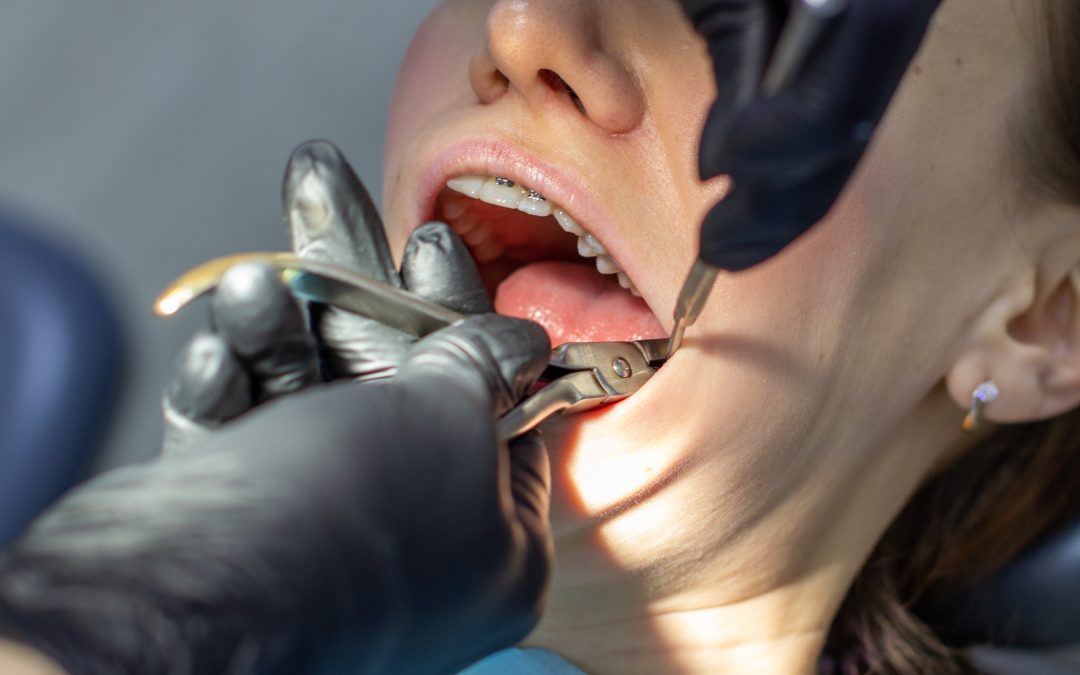
Have you ever experienced a toothache so painful that it interrupted your sleep, made eating uncomfortable, or distracted you throughout the day? Most people try to ignore dental pain, hoping it will disappear on its own. But sometimes, that nagging discomfort is your body’s way of telling you something isn’t right.
While dentists always aim to preserve natural teeth whenever possible, there are situations where a tooth extraction may be the healthiest option for protecting your overall oral health.
For families and individuals in Casa Grande, AZ, knowing when to seek professional dental attention can make a significant difference. At Villago Family Dental, we believe informed patients make better decisions about their smiles.
So, how do you know when a tooth might need to come out? Here are seven warning signs you shouldn’t overlook.
7 Warning Signs You May Need a Tooth Extraction
1. Persistent Tooth Pain That Doesn’t Go Away
Occasional sensitivity may not be a serious concern, but constant or throbbing tooth pain deserves attention. If you experience discomfort while chewing, drinking something hot or cold, or even resting, there could be an underlying problem.
Severe decay, nerve damage, or infection can cause persistent pain. Depending on the condition, your dentist may recommend a filling, crown, or root canal. If the damage is too extensive to repair, removing the affected tooth may be necessary.
Don’t wait for the pain to become unbearable before scheduling an examination.
2. Severe Tooth Decay or Extensive Damage
A small cavity can usually be treated with a filling. However, untreated decay can gradually destroy more of the tooth, eventually making it difficult to restore.
Here are some signs of extensive tooth damage:
- Large visible holes or cavities.
- Teeth breaking apart while eating.
- Dark discoloration accompanied by pain.
- Significant damage extending below the gumline.
When too little healthy tooth structure remains, a dentist may recommend extraction rather than attempting a restoration that is unlikely to succeed.
3. Swollen Gums or Signs of Dental Infection
Swollen gums, tenderness, pus, or a persistent unpleasant taste in your mouth can indicate a dental infection.
A dental abscess is a pocket of pus caused by bacterial infection. It can develop around a tooth’s root or in the surrounding gum tissue.
Not every infected tooth requires removal. Depending on the situation, root canal treatment or drainage may help preserve it. However, when the tooth cannot be saved, removal may be necessary to address the source of infection.
Important: Facial swelling accompanied by fever requires urgent dental or medical evaluation. Difficulty breathing or swallowing, or rapidly spreading swelling, requires emergency medical care.
4. Your Tooth Is Loose or Moving
Adult teeth should not feel loose during everyday activities. If you notice movement while chewing or brushing, don’t ignore it.
Advanced gum disease can damage the tissues and bone supporting your teeth, causing them to become unstable.
In some cases, periodontal treatment may help preserve the tooth. However, when the supporting structures are severely damaged, removal may be the appropriate option.
5. You Have an Impacted or Problematic Wisdom Tooth
Wisdom teeth are the last molars to develop, usually appearing during the late teens or early twenties.
Sometimes, there isn’t enough room for them to emerge properly. They may become trapped beneath the gums or grow at an unusual angle.
Common warning signs include:
- Pain near the back of your jaw.
- Swollen or tender gums.
- Difficulty opening your mouth.
- Food getting trapped around the wisdom tooth.
- Repeated inflammation around the area.
An examination and dental imaging can help determine whether removal is necessary.
6. You Experience Repeated Dental Infections
Does the same tooth keep causing trouble even after treatment? Recurring infections may indicate that the underlying problem hasn’t been resolved.
Repeated swelling, tenderness, or abscess formation should never be treated as normal.
Your dentist will evaluate whether additional treatment can save the tooth. If it is no longer restorable, extraction may be recommended to prevent further complications.
7. Your Teeth Are Severely Crowded
Sometimes, overcrowding makes it difficult to maintain proper oral hygiene or achieve the desired alignment.
In selected orthodontic cases, removing one or more teeth may create the space needed to align the remaining teeth properly.
However, extraction isn’t automatically necessary for crowded teeth. Your dentist or orthodontist will evaluate your bite, jaw structure, and treatment goals before recommending it.
Tooth Extraction vs. Saving Your Natural Tooth: What’s Better?
One of the biggest concerns patients have is whether removing a tooth is really necessary.
The truth is that preserving your natural tooth is generally preferred whenever it can be restored successfully. However, some situations leave limited treatment options.
| Dental Problem | Possible Treatment |
|---|---|
| Small cavity | Dental filling |
| Extensive tooth decay | Crown or root canal, if restorable |
| Infected tooth | Root canal or other infection treatment |
| Severely damaged, non-restorable tooth | Tooth removal |
| Impacted wisdom tooth | Monitoring or surgical removal |
| Advanced gum disease | Periodontal treatment or removal if hopeless |
Your dentist will recommend treatment based on your individual condition, not just the level of discomfort you’re experiencing.
What Happens During a Tooth Extraction?
If your dentist determines that removal is necessary, there’s no need to panic.
A typical procedure involves:
- Dental examination: Your dentist examines the affected area and may take X-rays.
- Anesthesia: Local anesthesia is used to numb the area and minimize discomfort.
- Tooth removal: The dentist carefully removes the tooth. More complex cases may require a surgical approach.
- Aftercare instructions: You’ll receive guidance on protecting the extraction site and supporting healing.
Recovery varies depending on the complexity of the procedure and your overall health. Following your dentist’s instructions is essential.
Why Consider Us in Casa Grande, AZ?
Dental problems can be stressful, especially when you’re unsure which treatment is right for you. At Villago Family Dental, our goal is to make dental care comfortable, informative, and personalized.
Dr. Monte Wells, DDS, brings more than 28 years of dental experience to the practice. He earned his bachelor’s degree in Biology from Colorado State University and his Doctor of Dental Surgery degree from the University of Colorado School of Dentistry. His experience across multiple areas of dentistry supports a comprehensive approach to evaluating patients’ dental needs.
Whether you’re experiencing persistent tooth pain, have a damaged tooth, or need an evaluation for wisdom teeth, our team is here to help you understand your options.
We also offer extraction and bone grafting services to help eligible patients plan for future tooth replacement and maintain jawbone support.
Don’t let dental discomfort control your daily life.
Contact Villago Family Dental to schedule an evaluation.
Practice: Villago Family Dental
Location: 2876 N Pinal Ave, Suite #4, Casa Grande, AZ 85122
Phone: +1 520 374 2225
Frequently Asked Questions About Tooth Extraction
1. How do I know if I really need a tooth extraction?
Persistent pain, severe decay, extensive tooth damage, advanced gum disease, and problematic wisdom teeth may indicate a need for removal. However, only a dental examination can determine whether your tooth can be saved.
2. Is removing a tooth better than getting a root canal?
Not necessarily. Root canal treatment can often preserve a natural tooth even when its inner pulp is infected. Removal may be recommended when the tooth is too damaged or structurally compromised to restore.
3. How painful is a tooth extraction?
Local anesthesia numbs the treatment area, so you should not feel sharp pain during a routine procedure. Some pressure may be noticeable. Mild soreness and swelling afterward are common and usually improve as healing progresses.
4. How long does it take to recover after a tooth extraction?
Many patients experience initial healing over one to two weeks, although recovery varies. More complex surgical procedures may require additional healing time. Your dentist will provide instructions based on your treatment.
5. What happens if I don’t replace a missing tooth?
Depending on its location, losing a tooth can affect chewing, allow neighboring teeth to shift, and contribute to changes in the supporting jawbone. Your dentist may discuss options such as dental implants, bridges, or dentures.
Final Thoughts: Don’t Ignore What Your Teeth Are Telling You
A little sensitivity might seem harmless, but persistent pain, swelling, loose teeth, and recurring infections deserve professional attention. Recognizing the warning signs early can help you explore treatment options before the problem becomes more complicated.
Remember, removing a natural tooth isn’t always the first choice. A thorough examination helps determine whether restorative treatment can preserve it or whether removal is the healthier option.
If you’re experiencing dental discomfort in Casa Grande, AZ, the team at Villago Family Dental is ready to help.
Call +1 520 374 2225 today to schedule your dental evaluation and take the first step toward a healthier smile.