
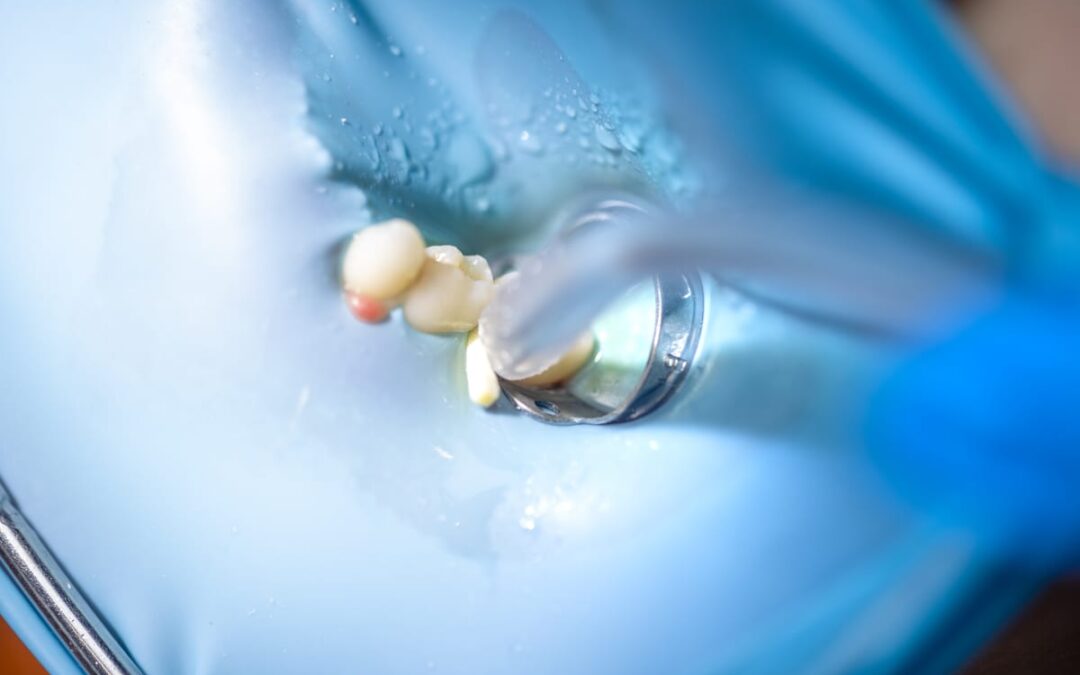
If you’ve ever heard the words ‘root canal’ and felt your stomach drop, you’re not alone. Root canal myths have been scaring patients for decades. The truth is, much of what people believe about this procedure simply isn’t accurate. At Villago Family Dental in Casa Grande, AZ, Dr. Mark Wheeler wants every patient to feel informed and calm — not afraid. This guide tackles the most common myths head-on so you can make confident decisions about your dental health.
Myth vs. Reality: Root Canal Myths Debunked for Casa Grande Patients
The biggest myth surrounding root canals is that they are unbearably painful. Many people avoid treatment because of fear rooted in old stories or outdated information. The reality is that modern root canal treatment is designed to relieve pain, not cause it. Most patients report feeling little to no discomfort during the procedure itself.
Dentistry has advanced dramatically over the past 20 years. Local anesthesia is highly effective, and techniques have become much more precise. If anxiety is still a concern, options like Sedation Dentistry Casa Grande can make the experience even more comfortable. You deserve care that works for your comfort level — not just your tooth.
Here are some of the most persistent myths Dr. Wheeler hears from patients every week:
- Root canals are the most painful dental procedure
- It’s better to pull the tooth than save it
- You only need a root canal if you’re in pain
- Root canals cause illness or spread infection
- Recovery takes weeks and disrupts daily life
The Truth About Pain: What a Root Canal Actually Feels Like
Let’s be direct: a root canal is not the dental horror story you may have heard. The procedure numbs the area completely before anything begins. Most patients compare the sensation to getting a routine filling. Any soreness afterward is typically mild and fades within a few days.
The pain people associate with root canals is usually the infection — not the treatment. When a tooth becomes infected, it can cause throbbing, intense pain. The root canal procedure actually ends that pain by removing the damaged pulp and sealing the tooth. Think of it as the cure, not the cause.
Post-procedure recovery is also straightforward. Over-the-counter pain relievers are usually enough to manage any lingering tenderness. Most patients return to normal activities the very next day. Dr. Wheeler and his team walk every patient through what to expect at each stage.
Myth: Pulling the Tooth Is a Better Option
Some patients assume removing a tooth is simpler and cheaper than saving it. This thinking can lead to bigger problems down the road. Losing a natural tooth affects your bite, jaw health, and the alignment of surrounding teeth. Replacing a missing tooth often requires more extensive treatment later.
Root canal treatment preserves your natural tooth structure. That matters more than most people realize. A natural tooth functions better than any replacement option. Keeping your tooth is almost always the preferred path when it can be saved.
If you do eventually need tooth replacement or restoration options, procedures like dental bridges or implants are available. But prevention through preservation is always the better first step. Saving a tooth through root canal therapy is almost always less invasive and less costly over time.
Myth: Root Canals Cause Illness — Here’s the Science
A debunked theory from the early 1900s claimed that root canal-treated teeth could cause systemic illness. This idea has been thoroughly disproven by modern research. Major dental and medical organizations worldwide confirm that root canal treatment is safe. There is no credible scientific evidence linking the procedure to disease anywhere in the body.
In fact, the opposite is true. Untreated infections in teeth can spread to surrounding tissue, the jaw, or even enter the bloodstream. Getting timely root canal treatment helps prevent serious health complications. Delaying care is the actual risk, not seeking it.
Dr. Wheeler uses the latest sterilization and treatment protocols at Villago Family Dental. Every procedure meets the highest standards of safety and care. Patients in Casa Grande can feel confident knowing their health is the top priority at every visit.
What to Expect During Root Canal Treatment at Villago Family Dental
Understanding the actual steps of a root canal can ease a lot of anxiety. The procedure is straightforward and typically completed in one or two appointments. Here’s a simple breakdown of what happens:
- Examination and X-ray: Dr. Wheeler reviews the tooth and surrounding area to confirm the diagnosis.
- Anesthesia: The area is fully numbed so you feel comfortable throughout.
- Pulp removal: The infected or damaged tissue inside the tooth is carefully removed.
- Cleaning and shaping: The root canals are cleaned, shaped, and disinfected.
- Sealing: The tooth is sealed to prevent future infection.
- Restoration: A crown is often placed to protect and restore the tooth’s full function.
The entire process is calm and controlled. Dr. Wheeler explains each step as it happens. You are never left guessing or feeling uncertain. Our team in Casa Grande is committed to making this experience as smooth as possible.
After care, your restored tooth can last a lifetime with proper brushing, flossing, and regular checkups. A well-treated tooth is a strong, functional tooth. Many patients are genuinely surprised by how manageable the experience is. That’s exactly what we want for every person who walks through our doors.
Healthy teeth are the foundation of a healthy smile — and a healthy smile opens doors. Whether you’re considering restorative care or want to explore options like Cosmetic Dentistry Casa Grande, Villago Family Dental has you covered at every stage of your dental journey.
Conclusion: Don’t Let Myths Keep You From Care You Need
Fear based on misinformation should never stand between you and a healthy smile. Root canal myths have caused countless people to delay treatment — and that delay often makes things worse. The procedure is safe, effective, and far more comfortable than most people expect. Dr. Mark Wheeler and the team at Villago Family Dental are here to answer every question with honesty and care.
If you’re experiencing tooth pain or have been told you may need a root canal, don’t wait. Getting the right information early leads to better outcomes. Our friendly team in Casa Grande is ready to help you feel comfortable and confident from your very first call. Book Now to schedule your appointment with our team.
Frequently Asked Questions
Is a root canal really as painful as people say?
No — this is one of the most common root canal myths. Modern anesthesia and techniques make the procedure very comfortable. Most patients say it feels similar to getting a filling. Any discomfort afterward is usually mild and short-lived.
How long does a root canal procedure take?
Most root canals are completed in one to two appointments. Each visit typically lasts between 60 and 90 minutes. The timeline depends on the complexity of the tooth’s root structure. Dr. Wheeler will give you a clear estimate before treatment begins.
Will I need a crown after my root canal?
In most cases, yes. A dental crown is placed after root canal treatment to protect the tooth. It restores the tooth’s strength, shape, and appearance. This step helps ensure the tooth lasts for many years.
Can a tooth that had a root canal get infected again?
It is rare, but possible if the seal breaks down or the tooth isn’t properly restored. Keeping up with regular dental checkups helps catch any issues early. Good oral hygiene also plays an important role in long-term success. Dr. Wheeler monitors restored teeth carefully at follow-up visits.
What happens if I don’t get a root canal when I need one?
Avoiding a needed root canal allows the infection to spread. This can damage surrounding teeth, bone, and soft tissue. In some cases, the infection can become serious and affect your overall health. Treating the problem early is always the safer and smarter choice.