
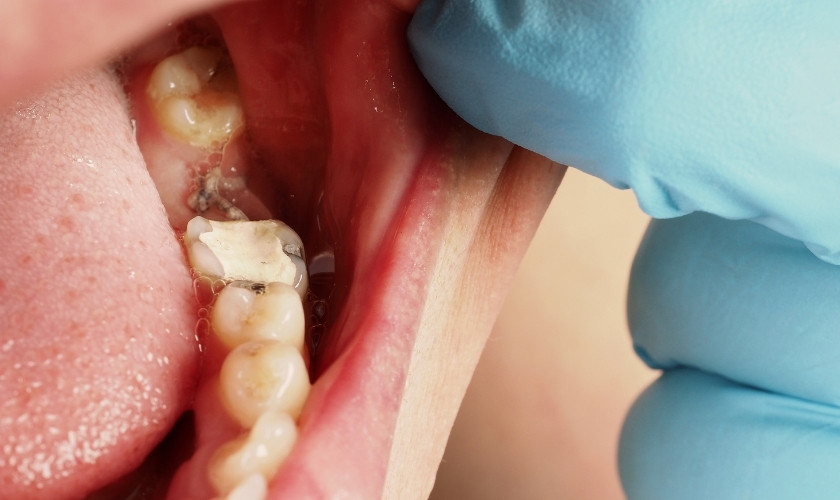
Ever stared at your dentist’s drill and wondered, “Will this fix hold up for years or crumble next month?” You’re not alone. Cavity fillings are one of the most common dental procedures, but their lifespan isn’t set in stone. At Villago Family Dental in Casa Grande, we see patients daily asking, “How long does a cavity filling last?” The answer depends on several factors, from the filling material to your daily habits. In this guide, we’ll break it down step by step, so you can protect your smile and avoid unnecessary trips to the chair.
Understanding cavity fillings starts with knowing what they do. When decay eats away at your tooth enamel, a filling restores its shape and function, sealing out bacteria. But like any restoration, fillings wear down over time. On average, they last 5 to 15 years, but some endure much longer with proper care. Let’s dive into the details.
Types of Cavity Fillings and Their Expected Lifespan
Not all fillings are created equal. Each material has unique strengths, costs, and durability. Here’s a quick rundown:
- Amalgam (Silver) Fillings: These metal alloys have been a staple for decades. They shine in high-stress back teeth, lasting 10 to 15 years or more. Their toughness resists chewing forces, but they’re visible and can expand slightly with temperature changes, potentially cracking teeth over time.
- Composite (Tooth-Colored) Fillings: Made of resin and glass particles, these blend seamlessly with your natural teeth – aesthetic win! They typically last 5 to 10 years. Composite Fillings in Casa Grande at practices like ours offer great results for front teeth or moderate cavities, but they wear faster under heavy bite pressure.
- Gold Fillings: Custom-cast from gold alloy, these are luxurious and biocompatible, often surviving 15 to 30 years. They’re pricier and require multiple visits, making them less common today.
- Ceramic or Porcelain Fillings (Indirect Inlays/Onlays): Lab-made for precision fit, these match natural teeth and last 10 to 15 years. They’re ideal for larger cavities where direct fillings might fail.
- Glass Ionomer Fillings: Fluoride-releasing and gentle on kids’ teeth, they bond chemically to enamel but wear out quickest at 5 to 7 years.
We recommend the best type based on your cavity’s location, size, and lifestyle. Call us at +1 (520) 374-2225 to discuss options tailored to you.
Factors That Shorten or Extend Filling Lifespan
A filling’s longevity isn’t just about the material – your mouth is its battlefield. Key influencers include:
- Location in the Mouth: Back molars endure massive bite forces (up to 200 pounds!), wearing fillings faster than front teeth.
- Oral Hygiene Habits: Brushing twice daily, flossing, and using fluoride toothpaste prevent decay around edges, extending life. Poor hygiene invites new bacteria, causing fillings to fail in as little as 3 years.
- Diet and Habits: Sugary snacks, acidic drinks (soda, citrus), and teeth-grinding (bruxism) accelerate wear. Hard foods like ice or nuts can crack fillings outright.
- Saliva Flow and Mouth Chemistry: Dry mouth reduces natural protection, shortening lifespan. Acidic saliva from reflux or medications does the same.
- Placement Quality: A skilled dentist ensures a tight seal. Poor bonding leads to leaks and failure.
- Regular Check-Ups: Biannual visits catch micro-cracks early. Studies from the American Dental Association show proactive care doubles filling survival rates.
Real talk: In Casa Grande’s hot climate, many patients sip more sugary iced teas, which can erode fillings faster. Combat this with straws and rinsing after meals.
Signs Your Cavity Filling Needs Replacement
Don’t wait for pain – early detection saves teeth. Watch for:
- Sensitivity: Sharp twinges to hot, cold, or sweets signal cracks or decay underneath.
- Visible Damage: Chips, dark edges, or discoloration around the filling.
- Pain When Biting: Indicates looseness or fracture.
- Swelling or Bad Breath: Infection brewing from leaks.
- Rough Edges: Food traps, leading to further decay.
If you spot these, don’t delay. call us at +1 (520) 374-2225. We’re your local experts in Casa Grande for quick, painless replacements.
How to Make Your Filling Last Longer: Practical Tips
Maximize durability with these evidence-based strategies:
- Master Brushing and Flossing: Use a soft-bristle brush and fluoride toothpaste for two minutes, twice daily. Floss nightly to clear filling margins.
- Smart Eating: Limit sticky candies and sodas. Chew gum with xylitol to boost saliva.
- Night Guards for Grinders: If you clench, a custom guard prevents nighttime destruction.
- Sealants for Protection: Apply over fillings in molars for an extra shield.
- Avoid DIY Fixes: Skip over-the-counter kits; they worsen problems.
Patients following these at our practice report fillings lasting 20% longer on average. One Casa Grande mom shared, “My composite filling from Villago has held up 8 years with three kids’ sugar binges—thanks to their tips!”
When to Upgrade to Crowns or Alternatives
Large cavities or weakened teeth may need more than fillings. Crowns last 15–20 years, veneers enhance aesthetics, and root canals save infected teeth. We assess at Villago Family Dental to recommend the right path.
Ready for composite fillings in Casa Grande? Visit our dental office today for a check-up that keeps your smile strong.
Final Thoughts on Cavity Filling Longevity
Expect 5–15 years, with potential for decades through smart choices and proper care. In Casa Grande, where busy families juggle heat and habits, partnering with a trusted practice makes all the difference.
Don’t let decay sneak up. Contact us at +1 (520) 374-2225 or book online. Your durable smile awaits!
Frequently Asked Questions
1. How long do composite fillings last compared to amalgam?
Composite (tooth-colored) fillings typically last 5–10 years, while amalgam can endure 10–15 years. Composites excel in aesthetics for visible teeth, but amalgam handles heavy chewing better.
2. Can I eat normally right after getting a filling?
Wait 1–2 hours for composites to harden fully; amalgam sets quicker. Avoid hard, sticky, or hot foods on that side for 24 hours. Soft foods like yogurt help while you adjust.
3. Why did my filling fall out so soon?
Common culprits: large cavity size, poor oral hygiene, grinding, or sticky foods. It happens in 10–20% of cases within 5 years. Regular check-ups prevent this.
4. Are cavity fillings painful?
Modern anesthesia makes placement painless for most. Mild soreness post-procedure fades in days. If sensitivity lingers, contact us promptly.
5. Do fillings prevent future cavities?
They seal the current one, but don’t make teeth invincible. Floss daily and use fluoride to protect the surrounding areas.